Blog
Why Your Hands Age Faster Than Your Face
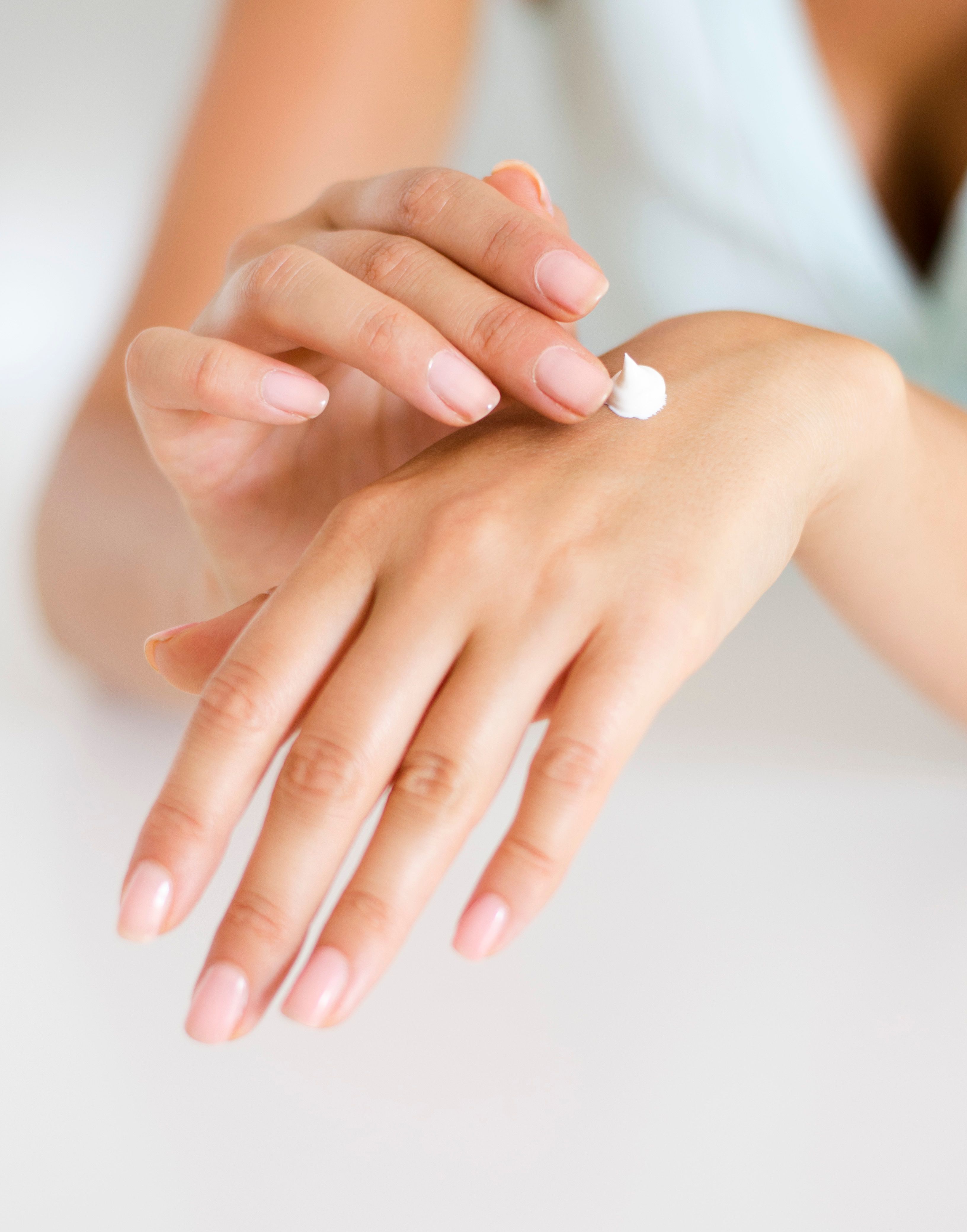
We spend endless time, energy, and resources curating our facial skincare routines. We carefully layer hyaluronic acid, vitamin C serums, barrier creams, and daily SPF to protect our face from environmental wear and tear. Yet, our hands—the very tools we use to navigate the world every single day—are almost always an afterthought.
If you’ve ever noticed that the skin on your hands looks drier, thinner, or more compromised than the skin on your face, you aren't imagining things. Your hands genuinely age at an accelerated rate, and understanding the biological reason why is the first step toward keeping them healthy and resilient.
The Vulnerable Anatomy of Hand Skin
The skin on the back of your hands is fundamentally different from the skin on the rest of your body. It is exceptionally thin and contains very few sebaceous (oil) glands. Sebaceous glands are responsible for producing sebum, your body's natural oil that keeps skin lubricated, supple, and shielded against moisture loss. Without a dense concentration of these glands, the back of your hands has very little built-in defense against dehydration.
Furthermore, consider the sheer volume of stress your hands endure daily:
Repeated Washing: Warm water and harsh synthetic surfactants strip away the fragile lipids that make up your skin barrier.
Environmental Exposure: Your hands are continuously exposed to UV radiation, cold wind, dry indoor heating, and air conditioning.
Chemical Contact: Household cleaners, dish soaps, and hand sanitizers accelerate moisture evaporation and compromise barrier function.
Because the subcutaneous fat pad on the back of the hand is naturally thin to begin with, the loss of moisture and collagen quickly manifests as crepiness, visible veins, and fine lines.
A Proactive Defense Routine for Your Hands
Reversing environmental wear doesn't require a complex ten-step routine. It comes down to consistency, protection, and feeding the skin biocompatible nutrients.
1. Replenish Immediately After Washing
The critical window for hand hydration occurs immediately after washing. While your skin is still slightly damp, apply a nutrient-dense, plant-based hand cream. This traps surface moisture before it can evaporate into the air—a process known as transepidermal water loss (TEWL).
2. Protect Your Skin Barrier
Avoid harsh, synthetic soaps that rely on aggressive sulfates. Opt for gentle, plant-based washes, and always protect your hands with gloves when doing dishes or handling household cleaners.
3. Feed the Skin with Cold-Pressed Botanicals
Mineral oils and silicones merely coat the surface of the skin, giving a temporary illusion of smoothness without repairing the underlying tissue. To actually build resilience, look for plant-derived fats like organic shea butter and cold-pressed seed oils. These natural ingredients mirror the lipid composition of healthy skin, allowing active nutrients to penetrate deeply and support long-term elasticity.
By treating hand care with the same respect and attention as facial care, you can preserve the softness, strength, and youthful vitality of your skin for years to come.